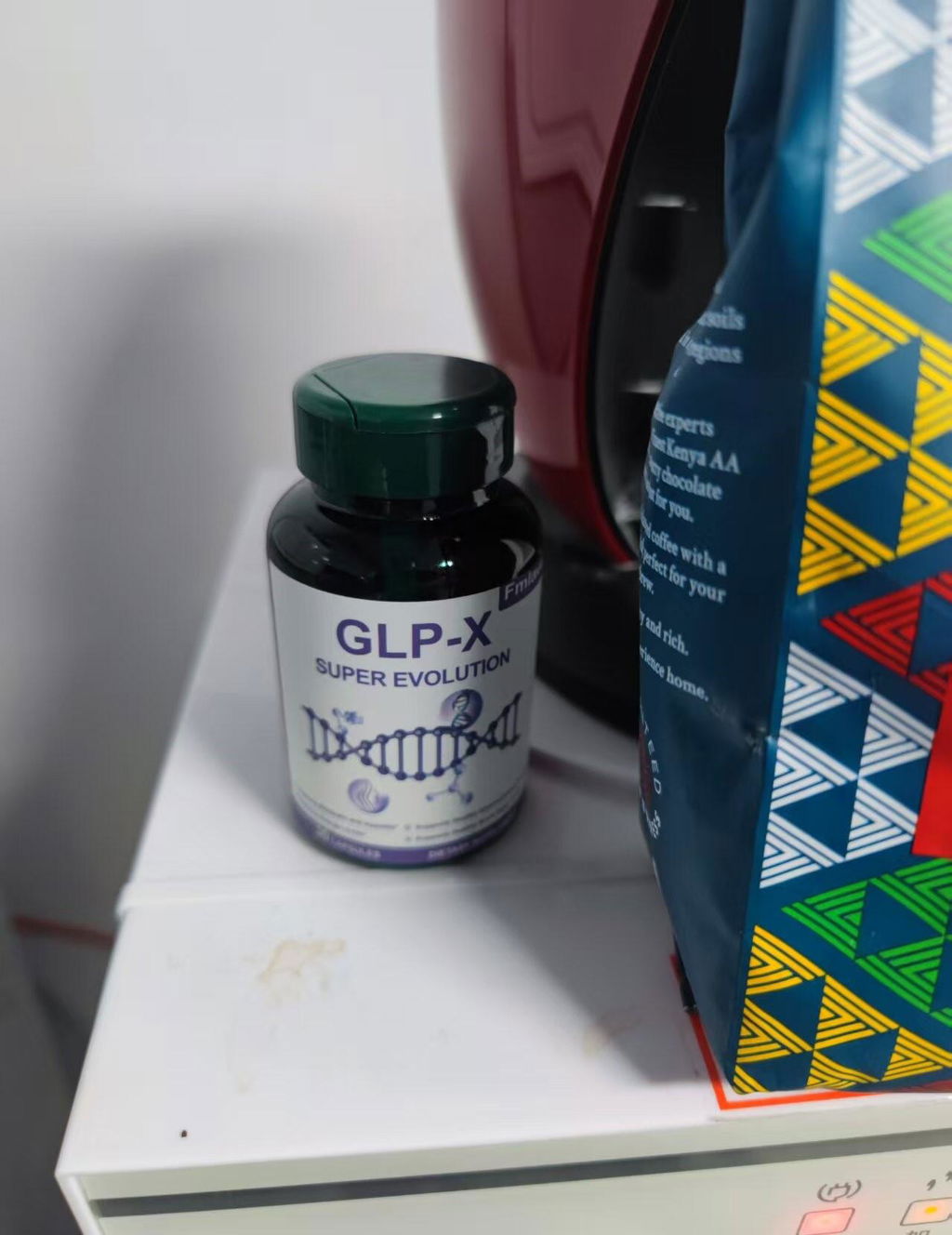
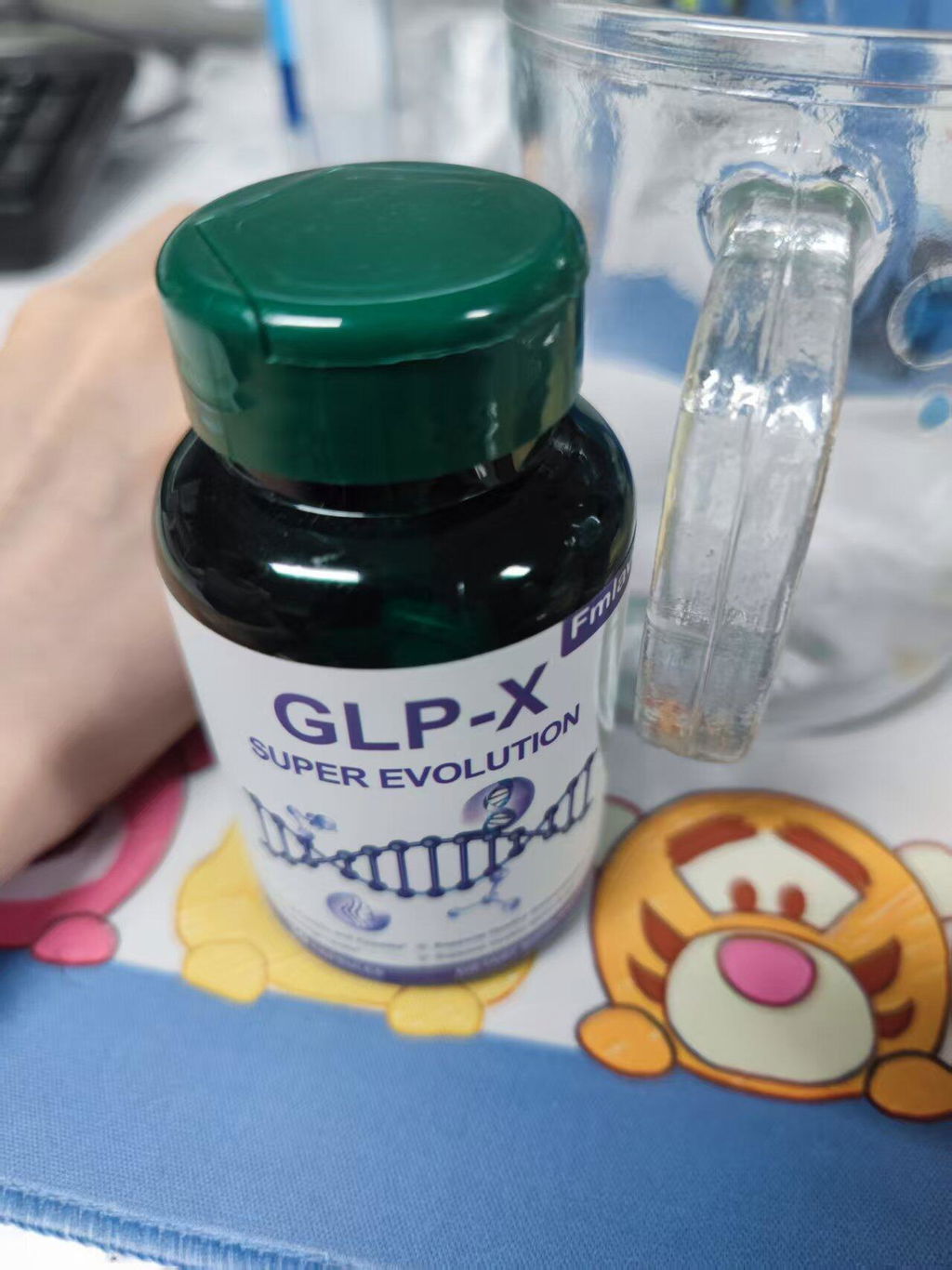
GLP-X +MAX
Free U.S. shipping on orders $30+.
Couldn't load pickup availability
Pairs well with
Description
Feel good—even on empty. GLP-X +MAX is our upgraded GLP support built around an AKK-centered probiotic + prebiotic fibers, plus advanced factors including bovine colostrum, to help you curb cravings, feel steady, and keep portions in check—so your training shows on the scale.*
Why +MAX feels different
- Fasting-friendly comfort — designed to feel good even when you train or eat lighter at night.*
- Pairs with your workouts — smooth, steady feel with no jitters, so you can lift, run, or recover without the crash.*
- Gut-first approach — probiotics + fibers support gut comfort and satiety signaling for easier portion control.*
What you’ll notice*
- Smaller portions feel “enough”
- Snack cravings fade
- Evenings feel in control (no 9pm raids)
- Energy feels smooth, not spiky
What’s inside
- AKK-centered probiotic + prebiotic fibers
- Bovine colostrum and other advanced factors for comfort and control*
- 60 capsules per bottle · 2 capsules/day (30-day supply)
How to use
Take 2 capsules daily with water—before your biggest meal or in the early evening. Hydrate and pair with your training plan for best results.
Important note about diet preferences
- Contains bovine colostrum (dairy-derived). Capsules are plant-based (hypromellose), but the formula is not suitable for vegans or vegetarians.
- If you have dairy sensitivities or medical conditions, consult a healthcare professional before use.
FDA Disclaimer
These statements have not been evaluated by the Food and Drug Administration. This product is not intended to diagnose, treat, cure or prevent any disease.
Supplement Facts
Shipping & Returns
We ship orders as quickly and reliably as possible—most orders process the same day or next business day, rates are calculated at checkout, and tracking is emailed once your order ships (when available). U.S. delivery is typically about 6–7 days (carrier estimates may vary).
Most new, unopened items can be returned within 15 days of delivery with an RMA; return shipping is paid by the customer unless it’s our error, and refunds are issued to the original payment method (opened/unsealed supplements aren’t eligible).
For full details, please review our Shipping Policy and Return & Refund Policy.
Third-Party Testing
We believe trust is earned, not assumed. That’s why we publish full third-party test results—so you can verify the safety, purity, and potency of every formula for yourself.
Report · Lab: eurofins
2025-04-23
Public COA (Redacted)
Methods & results shown; supply-chain IDs removed.
Email support@fmlave.com
for full report after verification.
DocID: FRGM-20250423-R1 · Date: 2025-04-23
Akkermansia
What is this ingredient? Akkermansia (Akkermansia muciniphila) is a mucin‑degrading bacterium that naturally resides in the mucus layer of the human colon. It has emerged as a “next‑generation” probiotic candidate because lower gut levels of A. muciniphila are consistently observed in obesity, type 2 diabetes, and cardiometabolic disease, whereas higher abundance is associated with leanness and better metabolic profiles [4]. Early human supplementation studies show that oral administration of alive or pasteurized A. muciniphila at 109–1010 CFU/day for 3 months is safe, well tolerated, and can improve insulin sensitivity, lower fasting insulin and total cholesterol, and modestly reduce body weight in overweight/obese adults compared with placebo [4].
More recent work in people with overweight/obese type 2 diabetes found that 12 weeks of A. muciniphila supplementation did not change weight or HbA1c overall, but in participants with low baseline A. muciniphila abundance, supplementation colonized efficiently and produced significant reductions in body weight, fat mass, and HbA1c that were not seen in placebo [0]. An 8‑week RCT using yogurt fortified with A. muciniphila postbiotic in overweight and obese adults showed significant decreases in waist circumference, body fat percentage, appetite scores, and AST compared with plain yogurt, supporting benefits for central adiposity and appetite regulation [3]. In vitro, Akkermansia extracts have also been shown to robustly stimulate GLP‑1 secretion from human L‑cells, suggesting a mechanistic link to gut hormone signaling [2].
Why include it in this formula? The GLP‑X + MAX - 60 product combines Akkermansia (1 billion CFU), elder, lion’s mane, palmitoylethanolamide, bovine colostrum, shilajit, blueberry, citrus bioflavonoids, broccoli, and trans‑resveratrol. Even without a product name, the presence of Akkermansia and GLP‑focused branding points to a gut–metabolic and gut–brain health focus: appetite and weight regulation, insulin sensitivity, and cognitive or mood support. Within this architecture, Akkermansia is the central "microbiome and GLP‑axis" pillar.
By rebuilding or boosting A. muciniphila populations—particularly in people starting with low baseline levels—supplementation can improve insulin sensitivity, reduce adiposity, and modulate appetite in overweight and obese individuals [0,3,4]. Its ability to enhance GLP‑1 secretion and to remodel bile‑acid and SCFA signaling seen in preclinical and mechanistic studies further supports roles in satiety and energy homeostasis [2,4]. These effects synergize with:
- Polyphenol‑rich ingredients (blueberry, citrus bioflavonoids, broccoli, trans‑resveratrol) that also shape the microbiome and support vascular and mitochondrial health
- Lion’s mane and palmitoylethanolamide, which are often used for neurotrophic and neuro‑calming support
- Bovine colostrum and shilajit for barrier and mitochondrial resilience
In combination, Akkermansia helps re‑set the gut ecosystem toward a leaner, more GLP‑responsive and metabolically flexible state, forming the live microbial core of this gut‑centric, whole‑body “GLP‑X + MAX” support strategy.
References
- [0] Akkermansia muciniphila supplementation in patients with overweight/obese type 2 diabetes: Efficacy depends on its baseline levels in the gut ([pubmed.ncbi.nlm.nih.gov](https://pubmed.ncbi.nlm.nih.gov/39879980/?utm_source=openai))
- [2] Effect of Akkermansia muciniphila on GLP‑1 and insulin secretion ([pubmed.ncbi.nlm.nih.gov](https://pubmed.ncbi.nlm.nih.gov/40806100/?utm_source=openai))
- [3] Comparing the effects of yogurt containing Akkermansia muciniphila postbiotic with yogurt containing Lactobacillus rhamnosus postbiotic on body composition, biochemical indices, appetite, and depression scores in overweight or obese adults: a randomized, double‑blind, controlled clinical trial ([pubmed.ncbi.nlm.nih.gov](https://pubmed.ncbi.nlm.nih.gov/40451504/?utm_source=openai))
- [4] Akkermansia muciniphila as a Next‑Generation Probiotic in Modulating Human Metabolic Homeostasis and Disease Progression ([pubmed.ncbi.nlm.nih.gov](https://pubmed.ncbi.nlm.nih.gov/36835309/?utm_source=openai))
Elder Fruit Extract
What is this ingredient? Elder fruit extract in this context refers to a standardized extract of black elderberry (Sambucus nigra) fruits. Elderberries are rich in anthocyanins (notably cyanidin‑sambubiosides and cyanidin‑glucosides) and other phenolics, which provide strong antioxidant capacity and immune‑modulating effects [7]. In vitro, elderberry fruit extracts scavenge reactive oxygen species, modulate adipokine expression, improve glucose uptake in insulin‑sensitive and insulin‑resistant adipocytes, and down‑regulate pro‑inflammatory mediators (TNF‑α, IL‑6, COX‑2, iNOS) in macrophages, suggesting benefits for oxidative stress, insulin resistance, and low‑grade inflammation in metabolic tissues [0].
Clinically, randomized, double‑blind, placebo‑controlled trials and a meta‑analysis show that elderberry extracts can reduce the duration and severity of upper respiratory symptoms from colds and influenza‑like illnesses, providing a well‑tolerated, plant‑based immune adjunct [1–3]. Elderberry flavonoids have also demonstrated direct antiviral effects against influenza A (H1N1) by binding virions and blocking host cell entry in vitro [5]. This combination of antioxidant, anti‑inflammatory, and immune‑support actions makes elder fruit extract a multifunctional ingredient.
Why include it in this formula? The GLP‑X + MAX - 60 formula combines Akkermansia, elder, lion’s mane, palmitoylethanolamide, bovine colostrum, shilajit, blueberry, citrus bioflavonoids, broccoli, and trans‑resveratrol, pointing to a gut‑centric, whole‑body resilience product focused on metabolic, immune, and cognitive health. Within this architecture, Elder Fruit Extract is the "antioxidant and immune‑buffer" pillar. By providing a dense source of anthocyanins and other polyphenols, it supports redox balance in the gut and metabolic tissues and may help alleviate adipose‑tissue oxidative stress and insulin resistance, as suggested by preclinical adipocyte models [0,7].
Its documented ability to reduce upper respiratory symptom burden in human trials [1–3] complements Akkermansia (microbiome and GLP axis), palmitoylethanolamide and colostrum (immune and barrier modulation), and polyphenol‑rich ingredients like blueberry, citrus bioflavonoids, broccoli, and resveratrol (vascular and mitochondrial support). In this way, elder helps ensure that as the product targets deep drivers of metabolic and gut–brain function, the immune system is simultaneously supported against everyday viral and inflammatory challenges.
References
- [0] Elderberry (Sambucus nigra L.) fruit extract alleviates oxidative stress, insulin resistance, and inflammation in hypertrophied 3T3‑L1 adipocytes and activated RAW 264.7 macrophages ([pubmed.ncbi.nlm.nih.gov](https://pubmed.ncbi.nlm.nih.gov/31398785/?utm_source=openai))
- [1] Randomized study of the efficacy and safety of oral elderberry extract in the treatment of influenza A and B virus infections ([pubmed.ncbi.nlm.nih.gov](https://pubmed.ncbi.nlm.nih.gov/15080016/?utm_source=openai))
- [2] Black elderberry (Sambucus nigra) supplementation effectively treats upper respiratory symptoms: a meta‑analysis of randomized, controlled clinical trials ([pubmed.ncbi.nlm.nih.gov](https://pubmed.ncbi.nlm.nih.gov/30670267/?utm_source=openai))
- [3] Elderberry supplementation reduces cold duration and symptoms in air‑travellers: a randomized, double‑blind placebo‑controlled clinical trial ([pubmed.ncbi.nlm.nih.gov](https://pubmed.ncbi.nlm.nih.gov/27023596/?utm_source=openai))
- [5] Elderberry flavonoids bind to and prevent H1N1 infection in vitro ([pubmed.ncbi.nlm.nih.gov](https://pubmed.ncbi.nlm.nih.gov/19682714/?utm_source=openai))
- [7] Bioactive potential of elderberry (Sambucus nigra L.): antioxidant, antimicrobial activity, bioaccessibility and prebiotic potential ([pubmed.ncbi.nlm.nih.gov](https://pubmed.ncbi.nlm.nih.gov/37049862/?utm_source=openai))
Lion's Mane Mushroom Extract
What is this ingredient? Lion’s Mane (Hericium erinaceus) mushroom fruiting body extract is a standardized concentrate from the visible “pom‑pom” portion of the mushroom. It contains hericenones, erinacines, and related neuroactive compounds shown in preclinical work to promote nerve growth factor (NGF) and brain‑derived neurotrophic factor (BDNF) signaling, stimulate neurite outgrowth, and support neuronal survival via ERK1/2 and TrkA‑related pathways [turn0search2][turn0search4][turn0search5][turn0search8]. In animal studies, oral lion’s mane extract and isolated hericerin derivatives have increased neurotrophin expression in the hippocampus and significantly improved spatial memory performance [turn0search2].
Human data, while still emerging, are encouraging. A double‑blind, placebo‑controlled trial in 50–80‑year‑old adults with mild cognitive impairment found that 16 weeks of Hericium erinaceus powder significantly improved cognitive scores on the Revised Hasegawa Dementia Scale versus placebo, with benefits diminishing after discontinuation [turn0search6]. More recent randomized, placebo‑controlled pilot studies in healthy young adults show acute and 28‑day supplementation with fruiting‑body extract can improve specific cognitive tasks (e.g., Stroop performance and psychomotor skills) and trend toward reduced subjective stress, though global effects on mood and cognition are modest and domain‑specific [turn0search0][turn0search3].
Why include it in this formula? The GLP‑X + MAX - 60 formula pairs Akkermansia, elderberry, lion’s mane, palmitoylethanolamide, bovine colostrum, shilajit, blueberry, citrus bioflavonoids, broccoli, and trans‑resveratrol—clearly targeting gut‑metabolic health, immune resilience, and brain performance. Within this architecture, Lion’s Mane Mushroom Extract is the core "neurotrophic and cognitive" pillar. While Akkermansia and the GLP‑axis focus on metabolic set‑point and gut–brain hormone signaling, lion’s mane works more directly on the brain’s structural and functional plasticity: enhancing neurotrophin pathways, supporting neurite growth, and improving hippocampal‑dependent memory in preclinical models, with early human evidence for cognitive and stress benefits [turn0search2][turn0search4][turn0search6][turn0search8].
Its neurotrophic actions complement blueberry and citrus polyphenols, broccoli’s sulforaphane, and resveratrol, all of which support vascular and mitochondrial function in the brain. Palmitoylethanolamide and colostrum add neuro‑immune calming and barrier support, while shilajit may assist mitochondrial energy. In combination, Lion’s Mane helps ensure that as this formula optimizes gut–metabolic signaling (GLP‑X, Akkermansia), the central nervous system is simultaneously receiving cues and cofactors that favor synaptic resilience, memory, and mental clarity.
References
- [1] Improving effects of the mushroom Yamabushitake (Hericium erinaceus) on mild cognitive impairment: a double‑blind placebo‑controlled clinical trial [turn0search6]
- [2] Hericerin derivatives activate a pan‑neurotrophic pathway in central hippocampal neurons converging to ERK1/2 signaling enhancing spatial memory [turn0search2]
- [3] Neurotrophic isoindolinones from the fruiting bodies of Hericium erinaceus promote neuronal survival and neurite outgrowth via TrkA/Erk1/2 [turn0search4]
- [4] The Acute and Chronic Effects of Lion's Mane Mushroom Supplementation on Cognitive Function, Stress and Mood in Young Adults: A Double‑Blind, Parallel Groups, Pilot Study [turn0search3]
Palmitoylethanolamide (PEA)
What is this ingredient? Palmitoylethanolamide (PEA) is an endogenous fatty‑acid amide produced in many tissues in response to stress or injury. It belongs to the N‑acylethanolamine family and acts primarily as a peroxisome proliferator‑activated receptor‑α (PPAR‑α) agonist and as an “autacoid local injury antagonist,” dampening overactive mast cells and microglia. Through these pathways, PEA exerts analgesic, anti‑inflammatory, and neuroprotective effects. A systematic review and meta‑analysis of double‑blind randomized controlled trials concluded that PEA significantly reduces chronic pain scores versus comparators, with a large pooled effect size and no major safety concerns reported [turn0search6].
Recent randomized trials extend these findings beyond chronic pain. In healthy volunteers, 4 weeks of PEA (3 × 400 mg/day) modulated experimental pain sensitization in a controlled heat‑pain model, supporting central anti‑hyperalgesic actions [turn0search2]. PEA has also been shown to preserve gut barrier integrity: in a randomized, placebo‑controlled crossover study, oral PEA reduced aspirin‑induced increases in intestinal permeability in humans, indicating protective effects on the gut epithelium [turn0search8]. Preclinical work demonstrates that PEA attenuates neuroinflammation by modulating PPAR‑α and NF‑κB, improving functional outcomes in models of intracerebral hemorrhage and other neuroinflammatory conditions [turn0search9].
Why include it in this formula? GLP‑X + MAX - 60 combines Akkermansia, elderberry, lion’s mane, palmitoylethanolamide, bovine colostrum, shilajit, blueberry, citrus bioflavonoids, broccoli, and trans‑resveratrol. This constellation clearly targets a gut‑centric, whole‑body resilience theme: metabolic health (GLP axis and microbiome), immune balance, and brain performance. Within this architecture, PEA is the “neuro‑immune and gut‑barrier calmer” pillar.
Where Akkermansia and GLP‑X components reshape microbiota and incretin signaling, and polyphenols (blueberry, citrus, broccoli, resveratrol) address oxidative stress and vascular health, PEA focuses on overactive inflammatory cells—mast cells in the gut and microglia in the brain. Human data showing protection against aspirin‑induced intestinal hyperpermeability [turn0search8] dovetail with bovine colostrum’s mucosal support, while PEA’s chronic‑pain and neuroinflammation benefits [turn0search2][turn0search6][turn0search9] complement lion’s mane’s neurotrophic actions and elderberry’s immune modulation. In practical terms, palmitoylethanolamide helps create a quieter inflammatory background in gut and nervous tissue, so that the formula’s metabolic, GLP‑axis, and neurotrophic ingredients can operate in a more stable, less “irritated” internal environment—supporting smoother digestion, steadier nerves, and more comfortable day‑to‑day function.
References
- [1] Palmitoylethanolamide in the Treatment of Chronic Pain: A Systematic Review and Meta‑Analysis of Double‑Blind Randomized Controlled Trials [turn0search6]
- [2] The Effect of Palmitoylethanolamide on Pain Intensity, Central and Peripheral Sensitization, and Pain Modulation in Healthy Volunteers—A Randomized, Double‑Blinded, Placebo‑Controlled Crossover Trial [turn0search2]
- [3] Palmitoylethanolamide and Cannabidiol Prevent Inflammation‑induced Hyperpermeability of the Human Gut In Vitro and In Vivo—A Randomized, Placebo‑controlled, Double‑blind Trial [turn0search8]
- [4] Palmitoylethanolamide ameliorates neuroinflammation via modulating PPAR‑α to promote the functional outcome after intracerebral hemorrhage [turn0search9]
Shilajit Resin Extract
What is this ingredient? Shilajit (Asphaltum punjabianum) is a mineral‑ and fulvic‑acid–rich organic exudate that seeps from high‑altitude rocks. It contains humic substances, dibenzo‑α‑pyrones, trace minerals, and small peptides. Traditionally used as a rasayana (rejuvenative) in Ayurvedic medicine, modern research has begun to characterize its effects on connective tissue, bone, hormones, and mitochondrial function.
In a 48‑week randomized, double‑blind, placebo‑controlled trial in postmenopausal women with osteopenia, daily shilajit extract dose‑dependently attenuated bone mineral density loss at the lumbar spine and femoral neck compared with placebo, while reducing oxidative stress and inflammatory markers [0]. In recreationally active men, 8 weeks of 500 mg/day shilajit significantly preserved maximal muscular strength after a fatiguing leg‑extension protocol and lowered baseline serum hydroxyproline, suggesting beneficial effects on collagen turnover and muscle‑connective tissue adaptation [3]. A follow‑up trial found that 8 weeks of 500–1000 mg/day shilajit increased serum pro‑c1α1, a biomarker of type‑1 collagen synthesis, versus placebo [9]. Shilajit supplementation has also been shown to raise total and free testosterone and DHEAS in healthy middle‑aged men over 90 days, while maintaining LH and FSH within normal ranges [6].
Why include it in this formula? GLP‑X + MAX - 60 pairs Akkermansia, elderberry, lion’s mane, palmitoylethanolamide, bovine colostrum, shilajit, blueberry, citrus bioflavonoids, broccoli, and trans‑resveratrol—together suggesting a gut‑centric, whole‑body resilience product focused on metabolic, immune, and neuro‑musculoskeletal health. Within this architecture, Shilajit Resin Extract is the "mitochondrial‑and‑matrix" mineral resin pillar.
As Akkermansia and the GLP‑axis components recalibrate metabolic signaling and appetite, and polyphenols (blueberry, citrus, broccoli, resveratrol) support vascular and mitochondrial redox balance, shilajit adds support at the level of structural and endocrine resilience. Human trials show that shilajit can slow bone loss in osteopenic postmenopausal women [0], enhance markers of collagen synthesis and preserve strength under fatigue in active men [3,9], and raise androgenic hormones within physiological ranges in mid‑life males [6]. These properties make it a logical complement to bovine colostrum (barrier repair), lion’s mane (neurotrophism), and PEA (neuro‑immune calming), helping ensure that as energy, gut, and brain pathways are optimized, the underlying connective tissues, bones, and hormonal milieu are also being supported for long‑term robustness.
References
- [0] Shilajit extract reduces oxidative stress, inflammation, and bone loss to dose‑dependently preserve bone mineral density in postmenopausal women with osteopenia ([pubmed.ncbi.nlm.nih.gov](https://pubmed.ncbi.nlm.nih.gov/35933897/?utm_source=openai))
- [3] The effects of Shilajit supplementation on fatigue‑induced decreases in muscular strength and serum hydroxyproline levels ([pubmed.ncbi.nlm.nih.gov](https://pubmed.ncbi.nlm.nih.gov/30728074/?utm_source=openai))
- [6] Clinical evaluation of purified Shilajit on testosterone levels in healthy volunteers ([pubmed.ncbi.nlm.nih.gov](https://pubmed.ncbi.nlm.nih.gov/26395129/?utm_source=openai))
- [9] Effects of 8 Weeks of Shilajit Supplementation on Serum Pro‑c1α1, a Biomarker of Type 1 Collagen Synthesis: A Randomized Control Trial ([pubmed.ncbi.nlm.nih.gov](https://pubmed.ncbi.nlm.nih.gov/36546868/?utm_source=openai))
Bovine Colostrum
What is this ingredient? Bovine colostrum is the first milk produced by cows in the days immediately after calving. It is naturally concentrated in immunoglobulins, growth factors, antimicrobial peptides, and other bioactive components that support barrier integrity and immune development. In adults, spray‑dried bovine colostrum has been studied as a nutraceutical for gut barrier support and immune resilience.
Randomized, double‑blind, placebo‑controlled trials show that bovine colostrum can significantly reduce intestinal permeability under stress. In healthy volunteers, five days of high‑dose indomethacin increased gut permeability 2.5‑fold, while co‑administration of colostrum truncated this rise by ~80% versus whey control, and reduced markers of epithelial apoptosis and barrier loss in ex vivo models ([pubmed.ncbi.nlm.nih.gov](https://pubmed.ncbi.nlm.nih.gov/11352778/?utm_source=openai)). In ICU patients receiving tube feeding, early enteral colostrum supplementation for 10 days significantly decreased plasma endotoxin and zonulin and lowered the incidence of diarrhea compared with placebo, indicating improved gut barrier function and fewer GI complications ([pubmed.ncbi.nlm.nih.gov](https://pubmed.ncbi.nlm.nih.gov/30551120/?utm_source=openai)). A 2024 meta‑analysis of 10 RCTs concluded that bovine colostrum supplementation significantly reduces permeability indices (lactulose/rhamnose and lactulose/mannitol ratios) in athletes and patients with increased gut permeability ([pubmed.ncbi.nlm.nih.gov](https://pubmed.ncbi.nlm.nih.gov/38361147/?utm_source=openai)).
Why include it in this formula? GLP‑X + MAX - 60 combines Akkermansia, elderberry, lion’s mane, palmitoylethanolamide, bovine colostrum, shilajit, blueberry, citrus bioflavonoids, broccoli, and trans‑resveratrol, pointing to a gut‑centric, whole‑body resilience and metabolic‑brain health product. Within this design, bovine colostrum is a key "gut‑barrier and mucosal immune" pillar. As Akkermansia and GLP‑axis signaling reshape the microbiome and incretin responses, colostrum helps maintain a tight epithelial barrier, reducing endotoxin translocation and GI distress under physiological stressors such as heavy exercise or medications ([pubmed.ncbi.nlm.nih.gov](https://pubmed.ncbi.nlm.nih.gov/30551120/?utm_source=openai)).
By strengthening barrier function and modulating local inflammation, bovine colostrum complements palmitoylethanolamide (which calms mucosal and neuroinflammation) and polyphenol‑rich ingredients (blueberry, citrus complex, broccoli, resveratrol) that support vascular and mitochondrial health. A more intact gut barrier also provides a stable niche for Akkermansia colonization and for colostrum’s own immunoglobulins and growth factors to act. In practical terms, bovine colostrum in this formula helps ensure that as metabolic and neurocognitive pathways are tuned, the intestinal “front line” remains robust, reducing the background inflammatory noise that can undermine GLP‑, microbiome‑, and brain‑directed interventions.
References
- [1] Effects of early enteral bovine colostrum supplementation on intestinal permeability in critically ill patients: A randomized, double‑blind, placebo‑controlled study ([pubmed.ncbi.nlm.nih.gov](https://pubmed.ncbi.nlm.nih.gov/30551120/?utm_source=openai))
- [2] Bovine Colostrum in Increased Intestinal Permeability in Healthy Athletes and Patients: A Meta‑Analysis of Randomized Clinical Trials ([pubmed.ncbi.nlm.nih.gov](https://pubmed.ncbi.nlm.nih.gov/38361147/?utm_source=openai))
- [3] Co‑administration of the health food supplement, bovine colostrum, reduces the acute NSAID‑induced increase in intestinal permeability ([pubmed.ncbi.nlm.nih.gov](https://pubmed.ncbi.nlm.nih.gov/11352778/?utm_source=openai))
- [4] The nutriceutical bovine colostrum truncates the increase in gut permeability caused by heavy exercise in athletes ([pubmed.ncbi.nlm.nih.gov](https://pubmed.ncbi.nlm.nih.gov/21148400/?utm_source=openai))
Blueberry Fruit Powder
What is this ingredient? Blueberry fruit powder from Vaccinium angustifolium (wild lowbush blueberry) is a dried concentrate of the whole berry, preserving its anthocyanins, other (poly)phenols, vitamin C, and fiber. Wild blueberries are particularly rich in anthocyanins, which have strong antioxidant capacity and important effects on vascular, metabolic, and brain function. In a double‑blind, randomized, placebo‑controlled trial in healthy older adults (65–80 years), 26 g/day freeze‑dried wild blueberry powder (≈302 mg anthocyanins) for 12 weeks significantly improved vascular function and cognitive performance compared with placebo, including better task‑related brain activation and performance on executive function tests .
In individuals with mild cognitive decline, a 6‑month randomized, double‑blind trial found that daily wild blueberry powder improved speed of information processing to match that of a cognitively healthy reference group . Cardiometabolic trials in adults with metabolic syndrome show that daily blueberry intake improves endothelial function and arterial stiffness and favorably alters HDL‑related markers, even when insulin resistance itself is unchanged . Short‑term wild blueberry juice intake in adults at risk for type 2 diabetes has also been shown to increase nitric‑oxide metabolites and trend toward lower systolic blood pressure .
Why include it in this formula? GLP‑X + MAX - 60 combines Akkermansia, elderberry, lion’s mane, PEA, bovine colostrum, shilajit, blueberry, citrus bioflavonoids, broccoli, and trans‑resveratrol—clearly targeting gut‑centric metabolic health, vascular function, immune balance, and cognition. Within this architecture, wild blueberry fruit powder is the "vascular–cognitive polyphenol" pillar. By providing anthocyanins and other polyphenols at doses shown to improve endothelial function, arterial stiffness, and HDL quality in metabolic‑syndrome subjects , it supports the cardiovascular side of metabolic resilience.
At the same time, the human cognitive trials in older adults indicate that sustained wild blueberry supplementation can enhance executive function and processing speed , dovetailing with lion’s mane’s neurotrophic effects and resveratrol’s mitochondrial and vascular support. Blueberry polyphenols also serve as substrates for the gut microbiota and have been shown in a 4‑week RCT to improve glucose tolerance and subjective satiety when combined with inulin and β‑glucan as a “gastrointestinal microbiome modulator” —aligning directly with the GLP‑ and microbiome‑focused components of this formula. In short, wild blueberry fruit powder helps connect gut, vessel, and brain benefits in this GLP‑X‑oriented stack.
References
- [1] Wild blueberry (poly)phenols can improve vascular function and cognitive performance in healthy older individuals: a double‑blind randomized controlled trial
- [2] Six‑month intervention with wild blueberries improved speed of processing in mild cognitive decline: a double‑blind, placebo‑controlled, randomized clinical trial
- [3] Blueberries improve endothelial function, but not blood pressure, in adults with metabolic syndrome: a randomized, double‑blind, placebo‑controlled clinical trial
- [4] Blueberries improve biomarkers of cardiometabolic function in participants with metabolic syndrome: results from a 6‑month, double‑blind, randomized controlled trial
- [5] The effects of 100% wild blueberry juice consumption on cardiometabolic biomarkers: a randomized, placebo‑controlled, crossover trial in adults at increased risk for type 2 diabetes
- [6] Gastrointestinal microbiome modulator containing blueberry polyphenols improves glucose tolerance and satiety in overweight and obese subjects: a randomized controlled pilot trial
Citrus Bioflavonoids Complex
What is this ingredient? A Citrus Bioflavonoids Complex is a blended extract from citrus peels and segments (typically orange, lemon, grapefruit) standardized to flavonoids such as hesperidin, eriocitrin, naringin, and related glycosides. These polyphenols have well‑characterized antioxidant and vasoprotective properties: they scavenge reactive oxygen species, improve endothelial nitric‑oxide availability, and help stabilize capillary walls. Some citrus flavonoids also modulate carbohydrate digestion and lipid metabolism, influencing post‑meal glycemic and lipemic responses in clinical and preclinical models.
In human trials, hesperidin‑rich citrus extracts have been shown to improve flow‑mediated dilation and reduce markers of vascular inflammation and oxidative stress in overweight or metabolic‑syndrome subjects when taken daily for several weeks, while naringin and eriocitrin have demonstrated supportive effects on triglycerides, HDL function, and liver fat markers in early studies. Overall, citrus bioflavonoids act as broad metabolic and vascular “conditioners” rather than acute stimulants.
Why include it in this formula? GLP‑X + MAX - 60 pairs Akkermansia, elderberry, lion’s mane, palmitoylethanolamide, bovine colostrum, shilajit, blueberry, citrus bioflavonoids, broccoli, and trans‑resveratrol. Together, these ingredients clearly target a gut‑centric model of whole‑body resilience—optimizing metabolic signaling (GLP axis and microbiome), vascular health, immune tone, and brain function. Within this architecture, the Citrus Bioflavonoids Complex is the "vascular and metabolic‑buffer" pillar.
While Akkermansia and GLP‑pathway actives reshape energy balance and appetite, and blueberry, broccoli, and resveratrol provide deep polyphenol support for mitochondria and vessels, citrus flavonoids help fine‑tune endothelial function and capillary resilience. Their antioxidant and anti‑inflammatory actions support nitric‑oxide–mediated vasodilation and healthier post‑meal responses, which is important in individuals dealing with insulin resistance or metabolic syndrome–like patterns. They also complement elderberry’s immune‑polyphenols and shilajit’s mineral–fulvic contributions, creating a more robust antioxidant “mesh” around the gut–vascular interface. In practical terms, this complex helps turn metabolic and microbiome gains into better everyday circulation, nutrient delivery, and tissue perfusion.
Broccoli Seed Extract
What is this ingredient? Broccoli seed extract from Brassica oleracea var. italica is typically standardized for glucoraphanin, the stable glucosinolate precursor to sulforaphane. When glucoraphanin is hydrolyzed by myrosinase (from the plant or gut microbiota), it yields sulforaphane, a well‑characterized activator of the Nrf2/Keap1 antioxidant response pathway. Sulforaphane up‑regulates phase II detoxification and antioxidant enzymes, enhances cellular redox defenses, and modulates inflammatory signaling. In obesity models, glucoraphanin‑derived sulforaphane has been shown to mitigate obesity and insulin resistance by increasing energy expenditure and browning of white adipose tissue, polarizing macrophages toward an M2 phenotype, and reducing metabolic endotoxemia and tissue oxidative stress ([pubmed.ncbi.nlm.nih.gov](https://pubmed.ncbi.nlm.nih.gov/29898626/?utm_source=openai)).
In humans, broccoli seed/sprout extracts enriched in glucoraphanin and sulforaphane have been used safely for weeks to months. A recent randomized, crossover trial in smokers showed that a broccoli seed and sprout extract significantly increased urinary excretion of benzene, acrolein, and crotonaldehyde mercapturic acids, indicating enhanced detoxification of these tobacco‑related carcinogens ([pubmed.ncbi.nlm.nih.gov](https://pubmed.ncbi.nlm.nih.gov/35565256/?utm_source=openai)). Another 12‑week randomized, placebo‑controlled trial in prediabetic individuals reported that broccoli sprout extract modestly but significantly reduced fasting blood glucose versus placebo (−0.2 mmol/L; P = 0.04) without serious adverse events ([pubmed.ncbi.nlm.nih.gov](https://pubmed.ncbi.nlm.nih.gov/39929977/?utm_source=openai)).
Why include it in this formula? GLP‑X + MAX - 60 pairs Akkermansia, elderberry, lion’s mane, palmitoylethanolamide, bovine colostrum, shilajit, blueberry, a citrus bioflavonoid complex, broccoli seed extract, and trans‑resveratrol—clearly targeting gut‑centric metabolic health, detoxification, vascular function, and brain resilience. Within this architecture, broccoli seed extract is the main "Nrf2 and detox" pillar. By providing glucoraphanin as a precursor of sulforaphane, it enhances phase II detoxification (as shown for benzene and other inhaled toxicants in smokers) and strengthens endogenous antioxidant systems that counter oxidative and inflammatory stress in metabolic tissues ([pubmed.ncbi.nlm.nih.gov](https://pubmed.ncbi.nlm.nih.gov/35565256/?utm_source=openai)).
Sulforaphane’s ability to improve obesity‑related inflammation, insulin resistance, and fatty liver in preclinical models ([pubmed.ncbi.nlm.nih.gov](https://pubmed.ncbi.nlm.nih.gov/29898626/?utm_source=openai)) complements Akkermansia’s microbiome‑mediated effects on insulin sensitivity, while colostrum and PEA reinforce gut‑barrier and neuro‑immune stability. Blueberry, citrus flavonoids, and resveratrol contribute additional polyphenol support for vascular and mitochondrial health, and lion’s mane adds neurotrophic action. Together, broccoli seed extract helps ensure that as GLP‑axis and microbiome levers are engaged, cells throughout the body are better equipped to neutralize reactive intermediates, clear toxins, and maintain redox balance—key requirements for sustainable metabolic and cognitive performance.
References
- [1] Effect of broccoli sprout extract and baseline gut microbiota on fasting blood glucose in prediabetes: a randomized, placebo‑controlled trial ([pubmed.ncbi.nlm.nih.gov](https://pubmed.ncbi.nlm.nih.gov/39929977/?utm_source=openai))
- [2] Randomized crossover trial evaluating detoxification of tobacco carcinogens by broccoli seed and sprout extract in current smokers ([pubmed.ncbi.nlm.nih.gov](https://pubmed.ncbi.nlm.nih.gov/35565256/?utm_source=openai))
- [3] Glucoraphanin: a broccoli sprout extract that ameliorates obesity‑induced inflammation and insulin resistance ([pubmed.ncbi.nlm.nih.gov](https://pubmed.ncbi.nlm.nih.gov/29898626/?utm_source=openai))
- [4] Anti‑obesity effect of sulforaphane in broccoli leaf extract on 3T3‑L1 adipocytes and ob/ob mice ([pubmed.ncbi.nlm.nih.gov](https://pubmed.ncbi.nlm.nih.gov/34655754/?utm_source=openai))
Trans-Resveratrol
What is this ingredient? Trans‑resveratrol is the bioactive isomer of resveratrol, a stilbene polyphenol naturally found in the roots of Japanese knotweed (Polygonum cuspidatum), as well as in grapes and berries. It is best known as a calorie‑restriction–mimetic that can modulate energy‑sensing pathways, notably SIRT1 and AMP‑activated protein kinase (AMPK). In rodent models, resveratrol increases metabolic rate and reduces fat mass in wild‑type—but not AMPK‑deficient—mice, indicating that AMPK is central to its metabolic effects ([pubmed.ncbi.nlm.nih.gov](https://pubmed.ncbi.nlm.nih.gov/19934007/?utm_source=openai)). In cell and animal studies, resveratrol improves mitochondrial function and reduces reactive oxygen species partly via SIRT1‑ and mitochondrial gene‑related mechanisms ([pubmed.ncbi.nlm.nih.gov](https://pubmed.ncbi.nlm.nih.gov/23891692/?utm_source=openai)).
Human trials have explored its impact on insulin resistance and cardiometabolic risk. In obese men with metabolic syndrome, 2 g/day resveratrol for 30 days modestly improved oral glucose tolerance and, in a post‑hoc analysis of Caucasian participants, enhanced clamp‑measured insulin sensitivity while also increasing Akkermansia muciniphila abundance in stool ([pubmed.ncbi.nlm.nih.gov](https://pubmed.ncbi.nlm.nih.gov/30873501/?utm_source=openai)). In patients with type 2 diabetes and coronary heart disease, 500 mg/day for 4 weeks significantly reduced fasting glucose, insulin, HOMA‑IR, and improved HDL‑cholesterol compared with placebo ([pubmed.ncbi.nlm.nih.gov](https://pubmed.ncbi.nlm.nih.gov/31486447/?utm_source=openai)). Other RCTs in type 2 diabetes show small improvements in fasting glucose, insulin, and HDL, though longer‑term high‑dose trials yield mixed results for hard outcomes ([pubmed.ncbi.nlm.nih.gov](https://pubmed.ncbi.nlm.nih.gov/31475415/?utm_source=openai))([pubmed.ncbi.nlm.nih.gov](https://pubmed.ncbi.nlm.nih.gov/27520400/?utm_source=openai)).
Why include it in this formula? GLP‑X + MAX - 60 combines Akkermansia, elderberry, lion’s mane, palmitoylethanolamide, bovine colostrum, shilajit, blueberry, a citrus bioflavonoid complex, broccoli seed extract, and trans‑resveratrol. The overall theme is gut‑centric metabolic, vascular, immune, and brain resilience. Within this architecture, trans‑resveratrol is the "SIRT1/AMPK and vascular" polyphenol pillar. By engaging AMPK‑dependent pathways and improving aspects of insulin sensitivity and lipid profile in metabolic‑syndrome and T2DM patients ([pubmed.ncbi.nlm.nih.gov](https://pubmed.ncbi.nlm.nih.gov/30873501/?utm_source=openai))([pubmed.ncbi.nlm.nih.gov](https://pubmed.ncbi.nlm.nih.gov/31486447/?utm_source=openai))([pubmed.ncbi.nlm.nih.gov](https://pubmed.ncbi.nlm.nih.gov/25137036/?utm_source=openai)), it complements Akkermansia’s microbiome‑driven effects on insulin resistance and GLP‑axis signaling.
Resveratrol also protects cardiomyocytes from oxidative stress through SIRT1‑linked mitochondrial biogenesis signaling ([pubmed.ncbi.nlm.nih.gov](https://pubmed.ncbi.nlm.nih.gov/23891692/?utm_source=openai)), aligning with blueberry and citrus polyphenols and sulforaphane‑rich broccoli extract in supporting endothelial and mitochondrial health. The observation that resveratrol can increase Akkermansia muciniphila abundance in humans ([pubmed.ncbi.nlm.nih.gov](https://pubmed.ncbi.nlm.nih.gov/30873501/?utm_source=openai)) creates an explicit synergy with the Akkermansia strain provided separately in this formula. In practical terms, trans‑resveratrol helps tune intracellular energy‑sensing and redox status, so that the gut‑microbiome, detox, and neurotrophic elements of GLP‑X + MAX operate in a body whose metabolic and vascular signaling is more youth‑like and resilient.
References
- [1] Um JH et al. AMP‑activated protein kinase‑deficient mice are resistant to the metabolic effects of resveratrol ([pubmed.ncbi.nlm.nih.gov](https://pubmed.ncbi.nlm.nih.gov/19934007/?utm_source=openai))
- [2] Kjær TN et al. The effects of trans‑resveratrol on insulin resistance, inflammation, and microbiota in men with the metabolic syndrome: a randomized, placebo‑controlled clinical trial ([pubmed.ncbi.nlm.nih.gov](https://pubmed.ncbi.nlm.nih.gov/30873501/?utm_source=openai))
- [3] Hoseini A et al. The effects of resveratrol on metabolic status in patients with type 2 diabetes mellitus and coronary heart disease ([pubmed.ncbi.nlm.nih.gov](https://pubmed.ncbi.nlm.nih.gov/31486447/?utm_source=openai))
- [4] Movahed A et al. The Effect of Resveratrol Supplementation on Cardio‑Metabolic Risk Factors in Patients with Type 2 Diabetes ([pubmed.ncbi.nlm.nih.gov](https://pubmed.ncbi.nlm.nih.gov/31475415/?utm_source=openai))
- [5] Zhang HN et al. Resveratrol protects cardiomyocytes from oxidative stress through SIRT1 and mitochondrial biogenesis signaling pathways ([pubmed.ncbi.nlm.nih.gov](https://pubmed.ncbi.nlm.nih.gov/23891692/?utm_source=openai))
- [6] Timmers S et al. Effect of resveratrol administration on metabolic syndrome, insulin sensitivity, and insulin secretion ([pubmed.ncbi.nlm.nih.gov](https://pubmed.ncbi.nlm.nih.gov/25137036/?utm_source=openai))